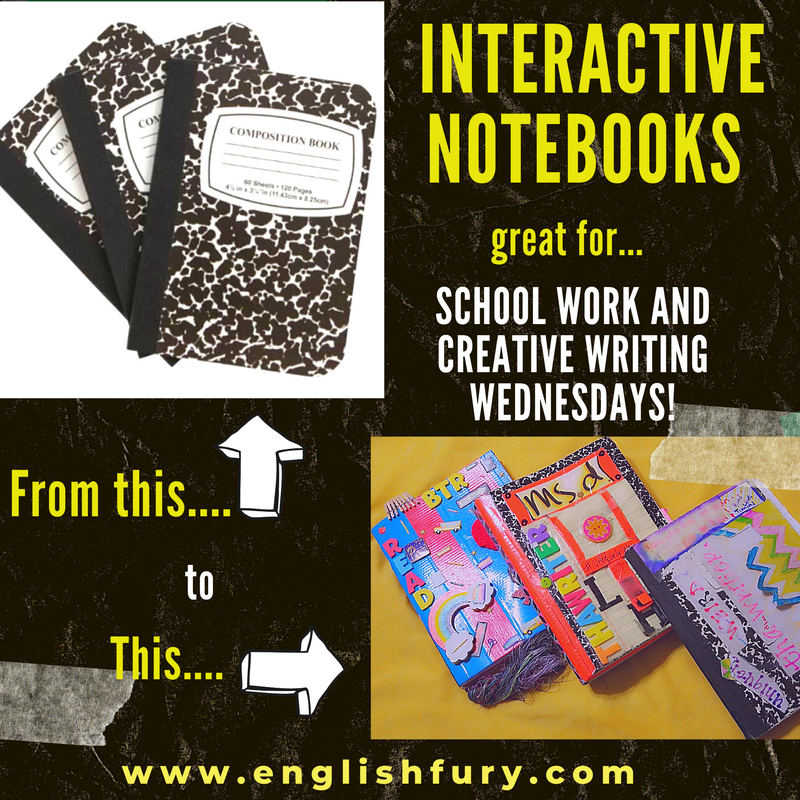
Interactive Notebooks
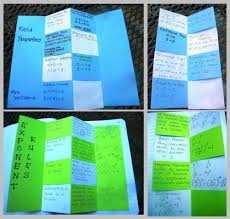
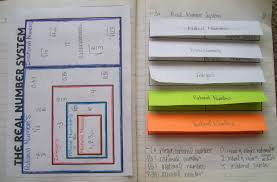
In order to stay organized, each student MUST have two composition notebooks, in order to create an Interactive Notebook (IN). One side is a Writer's Notebook, the other side, a Reader's Notebook. Other benefits include using it as your portfolio for colleges; creating pocket folders to avoid having to carry many supplies; having a great resource in other classes; and it highlights your creativity! Create your own IN using the guidelines below for my class!
Writer's Notebook
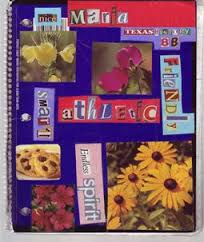
Outside: Decorate the outside with drawings, stickers, crafts and flair. Make sure it's a creative reflection of you, but also make sure it's easy to identify as the Writing side! Only one requirement: make sure your LAST name and CLASS SUBJECT is highly visible on the cover.
Inside Panel: QR Code to Syllabus.
Page 1: Bio Page. Tell me about yourself: full name, birth month/day, favorite things, besties, parents, aspirations, social media tags, etc.
Page 2: "What Kind of Fruit Are You" Survey
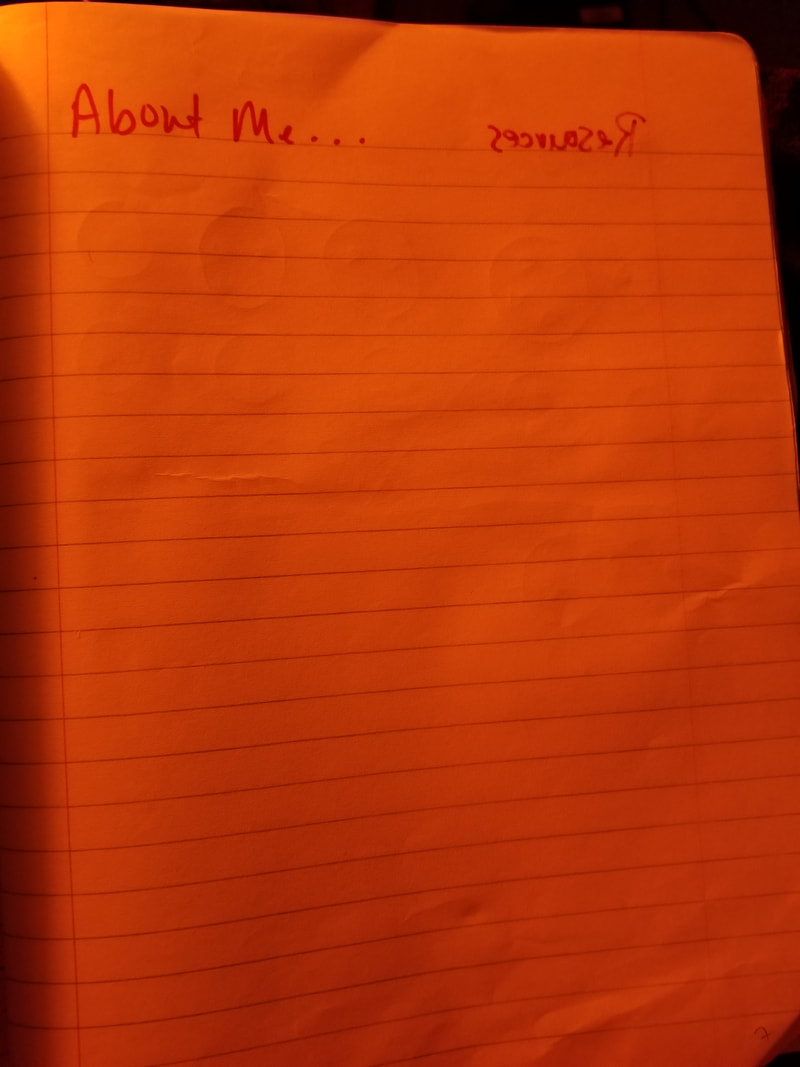
Page 3: Label it "Resources" at the top
Page 5: On this page, adhere the following:
Page 6: Think Tank: Write the following title at the top of this page: Quotes, Quote Reflections & Answer a Question. Then, leave two blank pages.
Page 9: Start writing here:
Last Page: Word Hoard
Back Panel: 3x3 Pre-writing Strategy
Pocket Pages (Watch this video) License plate, notes from me, index cards, etc.
Writer's Notebook
Outside: Decorate the outside with drawings, stickers, crafts and flair. Make sure it's a creative reflection of you, but also make sure it's easy to identify as the Writing side! Only one requirement: make sure your LAST name and CLASS SUBJECT is highly visible on the cover.
Inside Panel: QR Code to Syllabus.
Page 1: Bio Page. Tell me about yourself: full name, birth month/day, favorite things, besties, parents, aspirations, social media tags, etc.
Page 2: "What Kind of Fruit Are You" Survey
Page 3: Label it "Resources" at the top
Page 5: On this page, adhere the following:
- Article of the Week (make sure you tape it so that you can flip to the other side).
Page 6: Think Tank: Write the following title at the top of this page: Quotes, Quote Reflections & Answer a Question. Then, leave two blank pages.
Page 9: Start writing here:
- Journaling
- Quick Writes
- Notes
- Essay Drafts
- Bell Ringers
- Other
Last Page: Word Hoard
Back Panel: 3x3 Pre-writing Strategy
Pocket Pages (Watch this video) License plate, notes from me, index cards, etc.
Reader's Notebook
Outside: Decorate the outside with drawings, stickers, crafts and flair. Make sure it's a creative reflection of you, but also make sure you can identify it as the Reading side! Only one requirement though, make sure your LAST name and CLASS SUBJECT is highly visible on the cover.
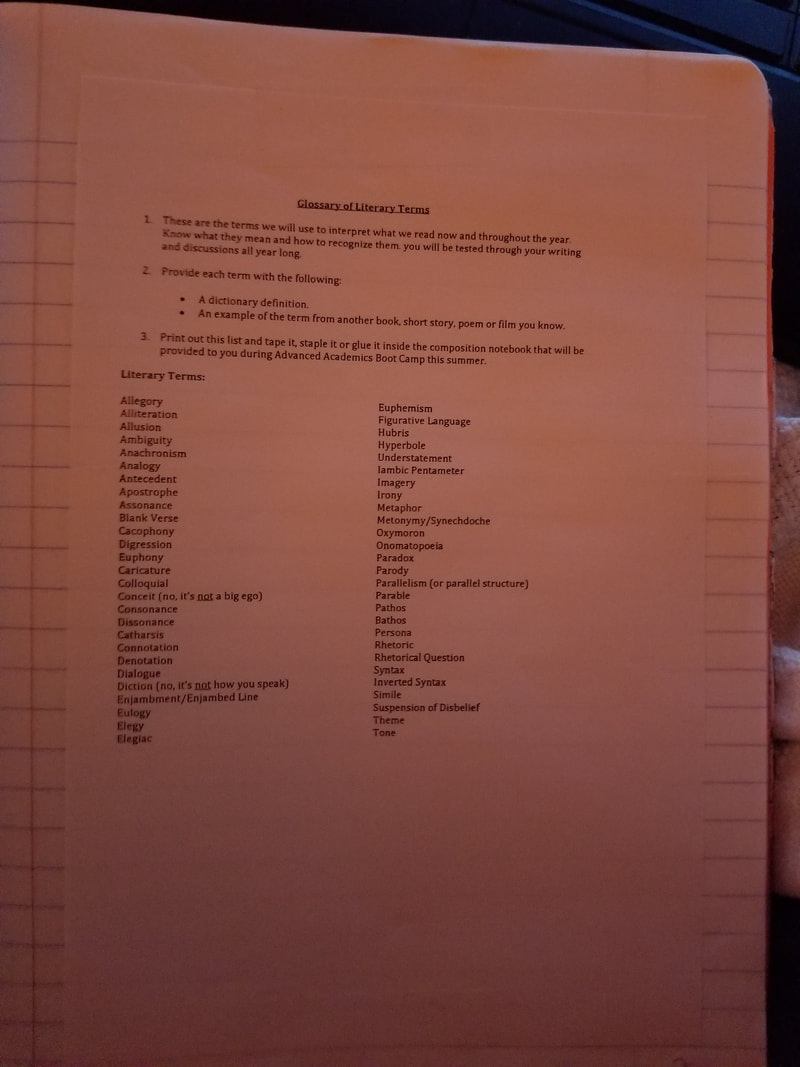
Inside Panel: Literary Terms
Page 1: Write all over the page, your favorite author(s), books, magazines, poem titles, songs, album covers, anything to do with literature!
Page 2: Annotation Guide and Annotation Marks Guide
Page 3: Literary Umbrella Sheet
Page 4: Iceberg Analysis Sheet
Page 5: Start your work here:
Back Panel: R.A.A.W. Mastery Guide (coming soon)
Pocket Pages: (Watch this video) (for short stories; excerpts, etc., all reading-related)
Outside: Decorate the outside with drawings, stickers, crafts and flair. Make sure it's a creative reflection of you, but also make sure you can identify it as the Reading side! Only one requirement though, make sure your LAST name and CLASS SUBJECT is highly visible on the cover.
Inside Panel: Literary Terms
Page 1: Write all over the page, your favorite author(s), books, magazines, poem titles, songs, album covers, anything to do with literature!
Page 2: Annotation Guide and Annotation Marks Guide
Page 3: Literary Umbrella Sheet
Page 4: Iceberg Analysis Sheet
Page 5: Start your work here:
- Color Marking Text Evidence
- Dialectical Journal
- Discussion Logs
- Handouts, foldables, worksheets, etc.
Back Panel: R.A.A.W. Mastery Guide (coming soon)
Pocket Pages: (Watch this video) (for short stories; excerpts, etc., all reading-related)
Non-negotiable Organization Tips:
1. Make sure that you date each page daily on the top left or right corner so I can easily identify who it belongs to:
2. Pages are front and back. Let's not waste paper. So, page 1, then the back of page 1 is page 2.
3. All attachments should be taped, stapled or glued inside the notebook.
4. Cut papers to make them fit. No pages hanging over.
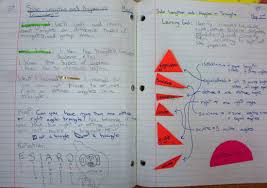
(Unless otherwise noted, these notebooks are to be kept in class in the designated area in case of a Notebook Check. You will be graded on these specifics. See examples below.)
1. Make sure that you date each page daily on the top left or right corner so I can easily identify who it belongs to:
- Nickname
- Date
- Subject
- Assignment Title
2. Pages are front and back. Let's not waste paper. So, page 1, then the back of page 1 is page 2.
3. All attachments should be taped, stapled or glued inside the notebook.
4. Cut papers to make them fit. No pages hanging over.
(Unless otherwise noted, these notebooks are to be kept in class in the designated area in case of a Notebook Check. You will be graded on these specifics. See examples below.)
Interactive Notebook Check
Routinely, I will conduct a notebook check to ensure that you are engaging in our book studies and grasping a full understanding of what we are reading and how we are analyzing literature. I will check for all of the assignments, with fidelity, that have been assigned and the following:
- Organization
- Bell Ringers/Quick Writes
- Discussion Logs
- Daily writings
- Color Marking
- Dialectical Journals
- The proper heading in the top left or right hand corner of each page